POWDER COMPONENT
real metal powder
Determine the metal type, base tone, particle reflection and oxidation reaction direction.
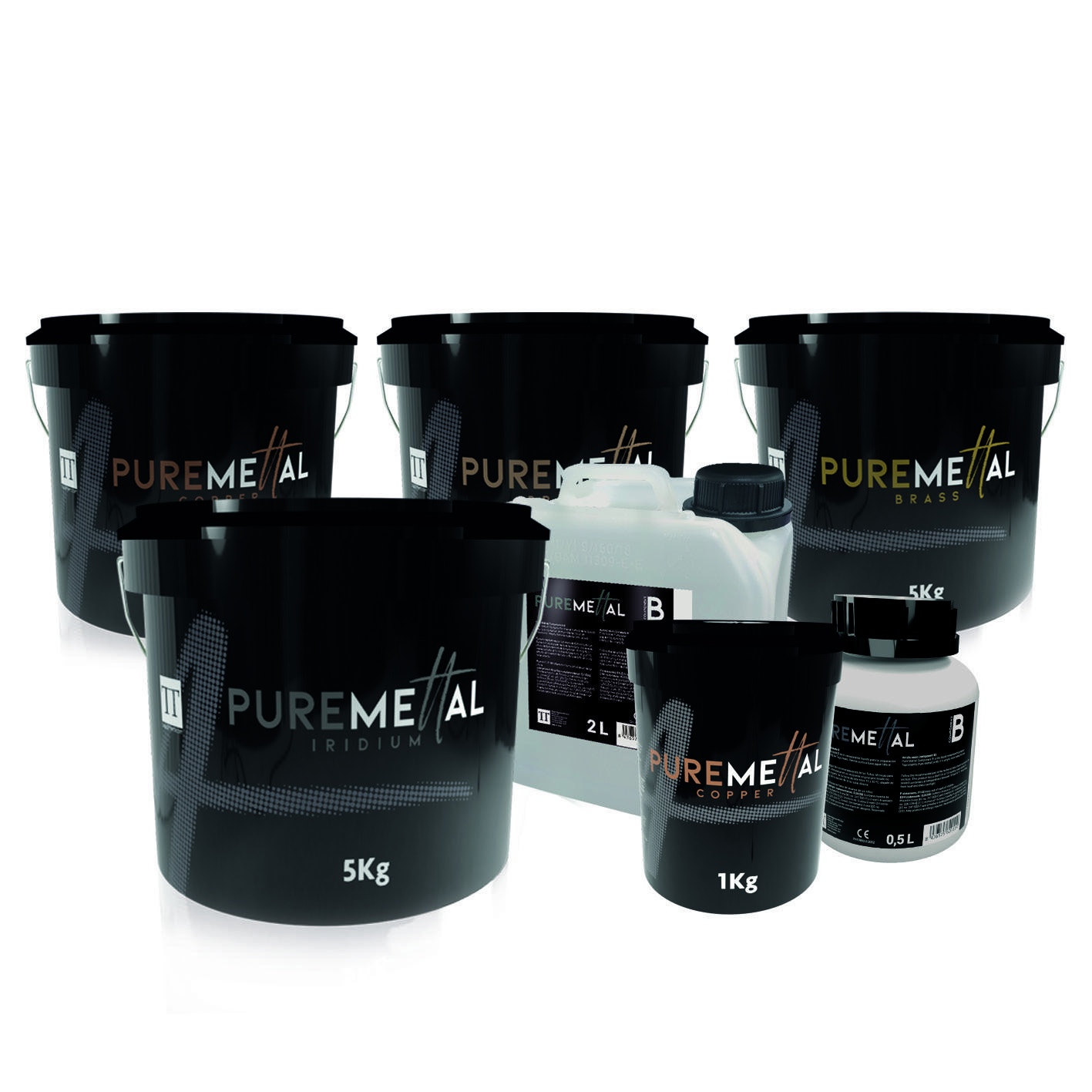
TWO-COMPONENT METALLIC COATING
Instead of using ordinary pigments to imitate metallic colors, real metal powders are combined with specialized resins to form a continuous surface that can be scratched. Metal grain, tool orientation, sanding and oxidation all combine to determine the final light.
01 / MATERIAL ANATOMY
Determine the metal type, base tone, particle reflection and oxidation reaction direction.
It gives the mixture workability and enables the metal particles to form a stable and continuous decorative layer.
The same metal will also have different light, shade and direction due to cutting, polishing and light.
The high metal content creates a realistic, rather than printed, change of light and dark on the surface.
The batch knife or roller leaves different particle arrangements and tool trajectories.
The degree of polish controls the brightness, contrast and surface fineness of the metal.
Compatible oxidation systems can impart patina, rust and a sense of time to some metals.
02 / REAL METAL PALETTE
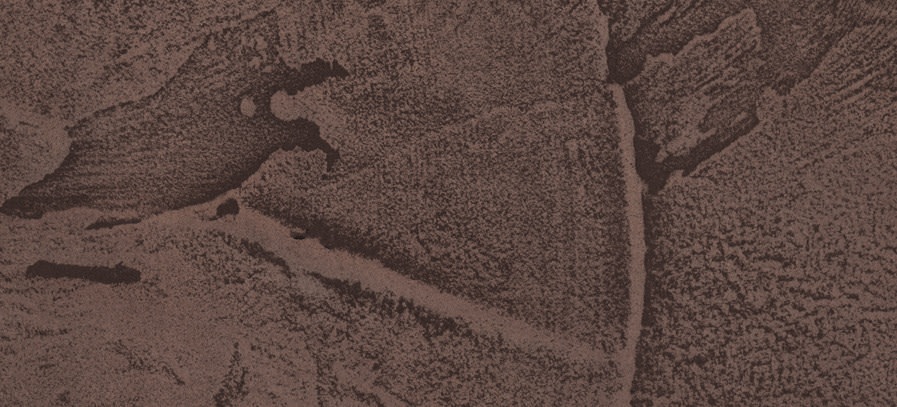
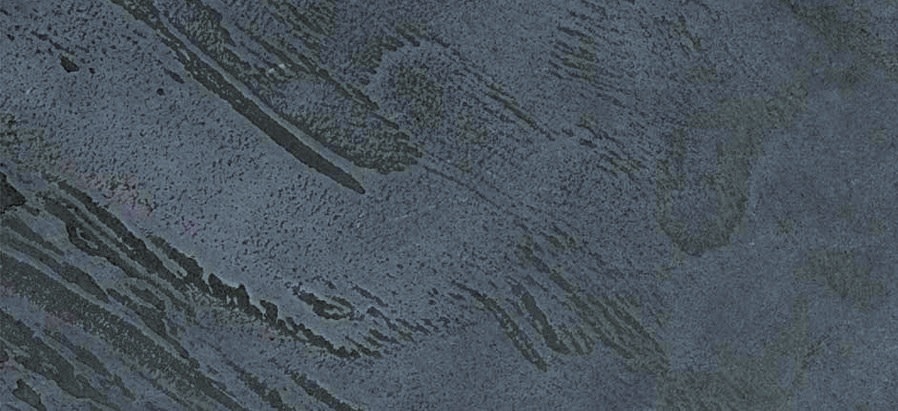
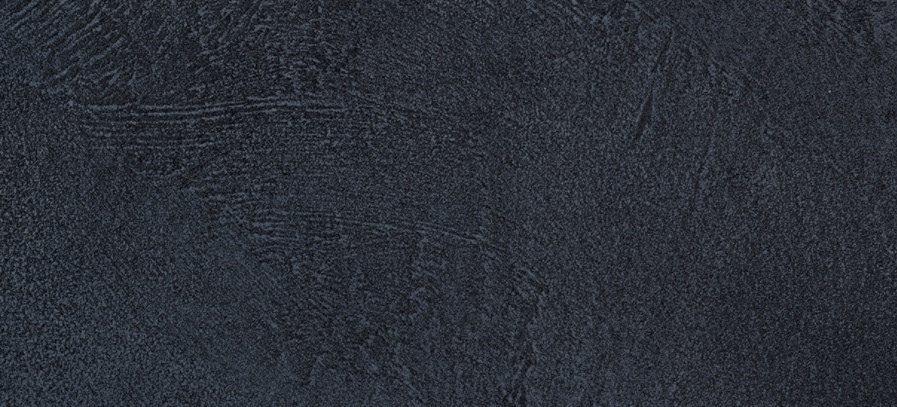
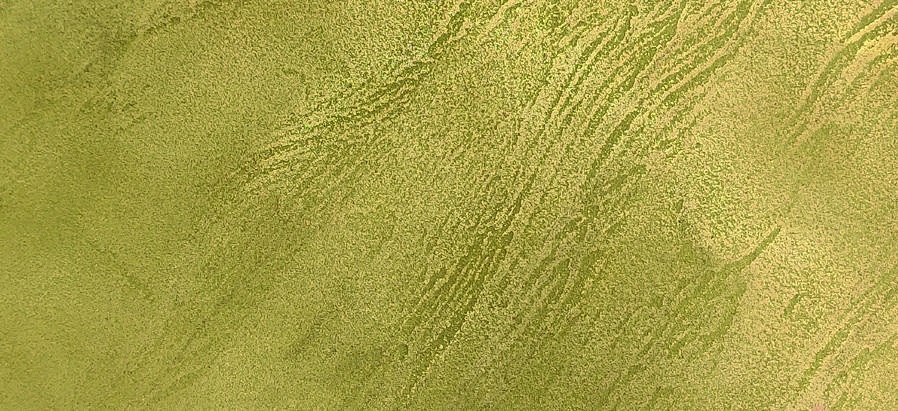
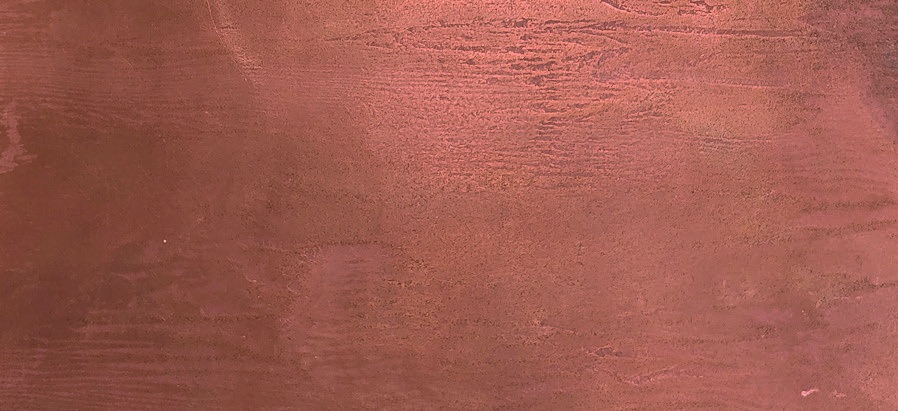
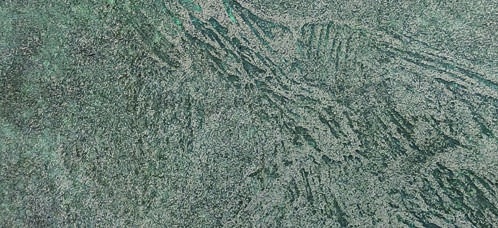
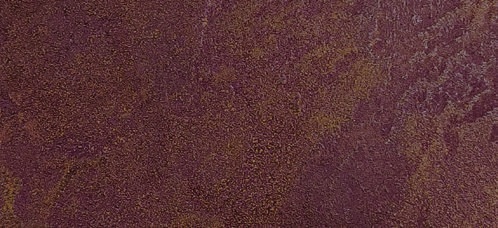
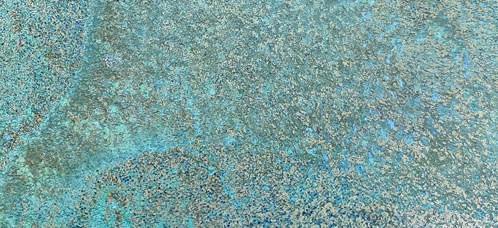
Below is the actual scratch texture from the original product catalog. Different metal powders have differences in basic color, particle reflection and oxidation tendency; the screen can only help select the direction, which must ultimately be confirmed by a physical sample.
03 / TWO FINISH ROUTES
Polishing and oxidation are not different shades of the same effect, but two different sets of post-processing logic. The former emphasizes metallic reflections, while the latter uses real particles to react.
Preserve the true color of copper, bronze, aluminum, iridium or brass, and adjust brightness and reflection by scratching direction and polishing level.
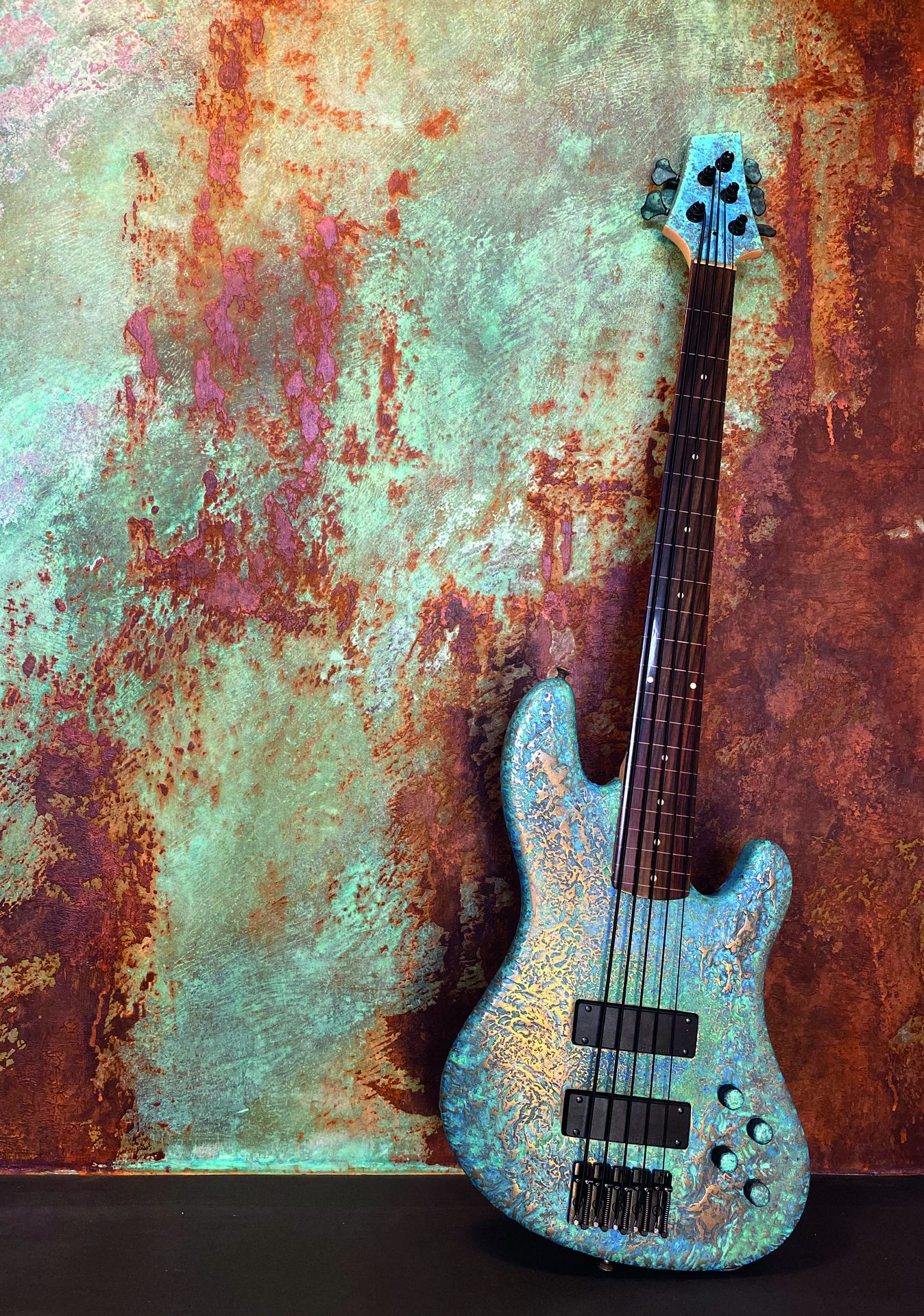
Allowing a compatible oxidation system to react with the metal particles to form a patina, rust or composite layer, and sealing to protect the result.
04 / THE FINISH IS A SYSTEM
Check the strength, flatness, moisture content and risk of cracks to confirm whether it can support continuous decorative layers.
Select a compatible interface based on absorbency; complete a continuous microcement base first if necessary.
Mix A/B components according to the corresponding metal ratio, and create a continuous metal texture in two constructions.
Choose the polished metal path, or go into a sample-proven oxidation treatment.
Complete compatible pre-sealing and final protection, fix results and build cleaning maintenance capabilities.
05 / VERIFIED HISTORICAL DATA
The following data comes from the 2020 technical sheet and the 2021 product catalog and is only used to identify the original product structure. Formal projects require re-confirmation of current inventory, expiration dates, batch labels and current construction documents.
Actual usage is affected by base layer, tool and texture
Actual usage is affected by base layer, tool and texture
Not the total thickness of the complete system
A is metal powder, B is special resin
The following is the old A:B mass ratio. Current packaging labels and current technical sheets must not be used directly for construction purposes.
METAL MUST BE SEEN IN LIGHT